
20 Creative Taper Fade Haircut Design Ideas for Unique Style
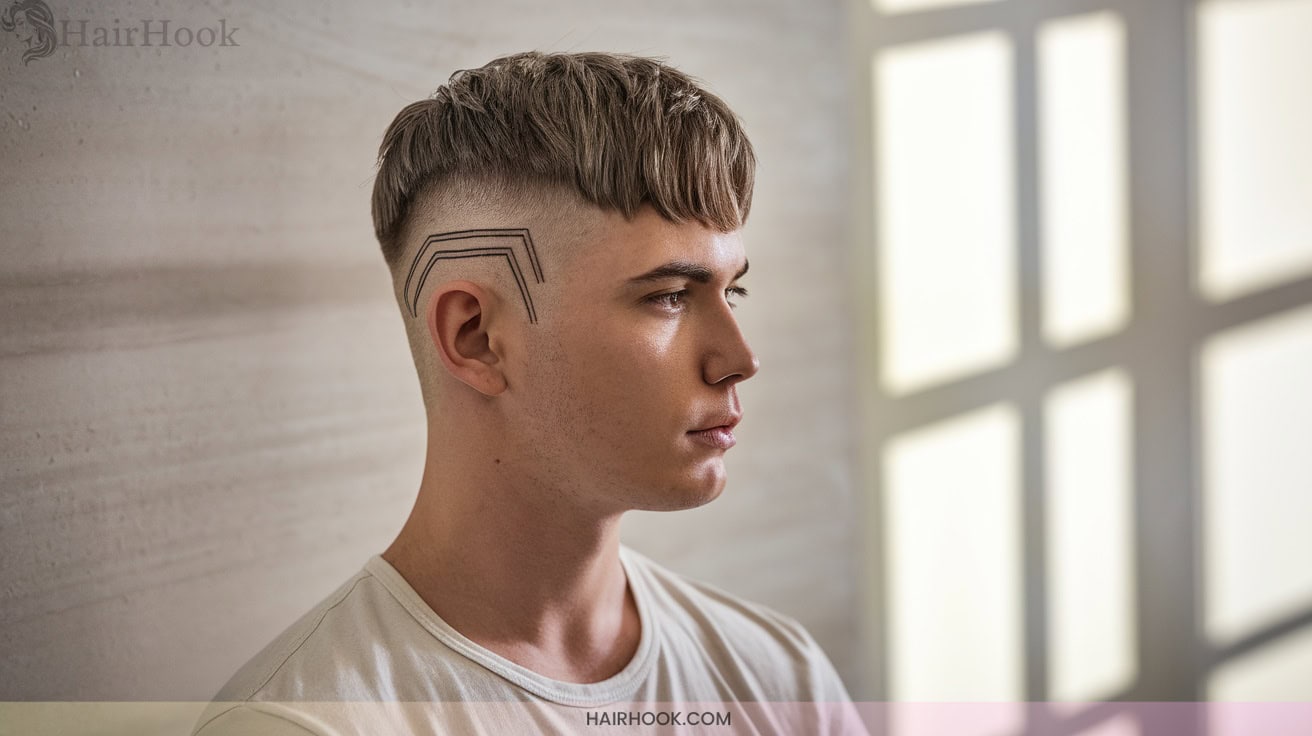
You can amplify your haircut with 20 creative taper fade ideas—think classic low or high blends, sharp geometric etchings, bold side part integration, or textured mohawk fades. Experiment with tribal or abstract razor designs, UV-reactive dyes, and matte product finishes for maximum contrast.
For curly, straight, or textured hair, precise clipper, scissor, and over-comb techniques offer flawless blends. Adapt trends from influencers or global street styles to reflect your personality. Explore expert methods for individualized, head-turning results.
What Are the Best 1. Classic Taper Fade for Timeless Appeal?

The classic taper fade delivers a polished, timeless look by gradually decreasing hair length from the crown to the nape, blending seamlessly for a refined finish.
You’ll appreciate its versatility—longer hair on top allows for creative styling, while the tapered sides and back maintain a clean silhouette.
Employ precise clipper work and expert scissor-over-comb techniques for a flawless blend.
This cut suits most hair types and adapts to various face shapes, making it universally flattering.
It’s low maintenance, yet offers room for customization, whether you prefer a textured top or a sleek, brushed-back style.
Consistent trims preserve its elite structure.
What Are the Best 2. Low Taper Fade for Subtle Sophistication?

A low taper fade offers understated sophistication by initiating a gradual reduction in hair length just above the ears, resulting in a seamless, clean contour that’s both modern and versatile.
A low taper fade delivers a sleek, gradual transition above the ears for a refined, modern look adaptable to any style.
You’ll appreciate the low contrast, allowing for longer top styles—think textured Pompadour, side-part, or even a messy top for dimension.
This fade adapts effortlessly to all hair types and face shapes, ensuring a tailored fit.
Integrate design elements like sharp lines or colored tips for a contemporary edge.
Its low-maintenance nature suits active, innovative lifestyles, while remaining workplace-appropriate.
Use lightweight styling products to define your look and maximize versatility.
What Are the Best 3. High Taper Fade for a Sharp Statement?
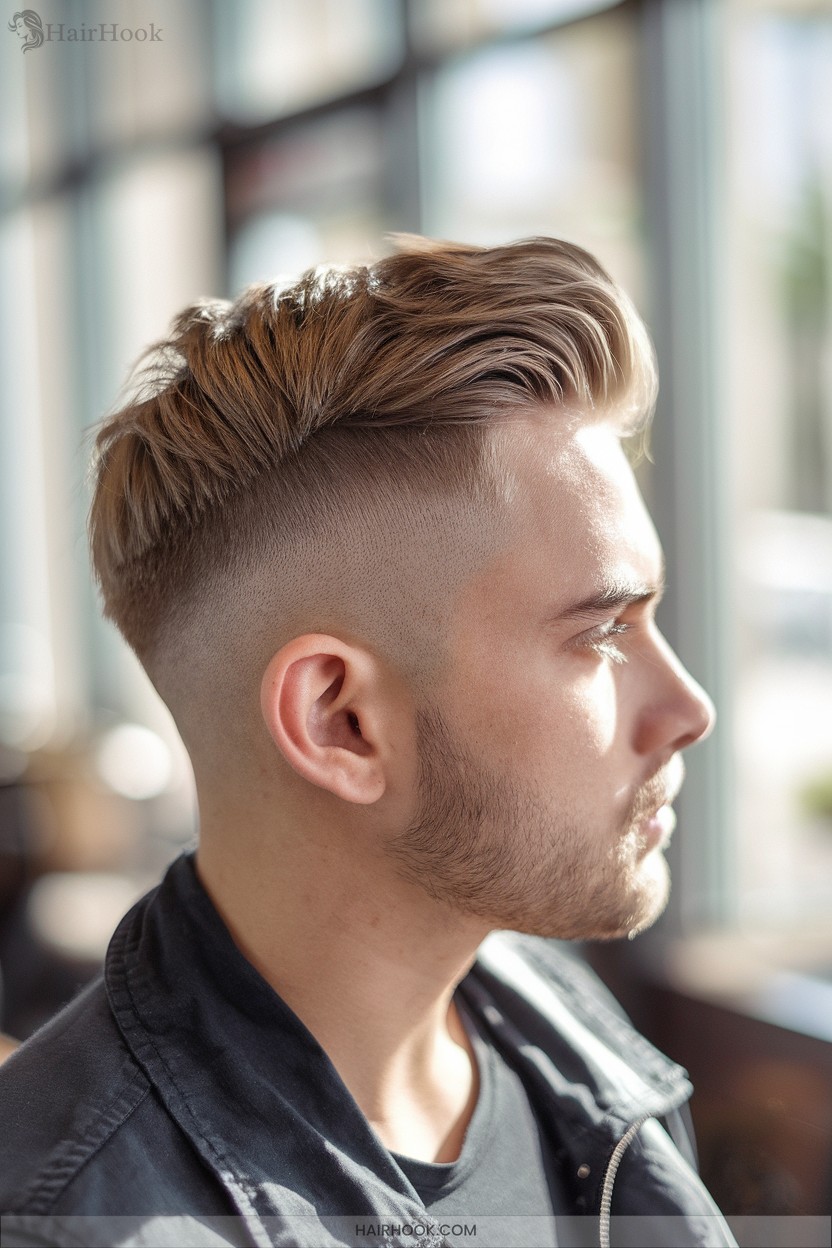
Craving a bolder edge than the subtlety of a low taper fade? The high taper fade delivers a striking contrast, beginning two inches from your hairline and dropping sharply to a bald fade near the temples.
This style thrives on precise execution and pairs perfectly with cropped or textured tops for maximum definition—especially on dark, coarse, or tightly curled hair.
- Freestyle geometric carvings or disconnected undercut for a modern accent
- Hard part shavings to sharpen angularity and symmetry
- Faded sideburns for seamless beard integration
Prioritize biweekly touch-ups, matte styling products, and scalp moisturization to maintain a crisp, innovative look.
What Are the Best 4. Back Taper Fade With Seamless Transitions?

Achieve a polished, professional look by mastering the back taper fade with seamless blends—where precision sectioning, advanced blending techniques, and meticulous neckline tapering converge for a flawless gradient.
Structure your sections both horizontally and vertically for controlled graduation. Employ clipper-over-comb and scissor-over-comb methods to erase weight lines, ensuring smooth blends. Integrate the beard and temple areas with matching guard levels for uninterrupted flow.
Use tapering shears to reduce bulk between lengths, especially if working with thick or fine hair.
Always check your blend from multiple angles, and finish with matte clay or low-shine paste for defined, non-crisp texture.
What Are the Best 5. Taper Fade With Geometric Patterns?

Once you’ve mastered seamless taper fades at the back, you can elevate your look by incorporating geometric patterns for a bold, contemporary statement.
Level up your taper fade by adding geometric patterns for a sharp, modern edge that truly stands out.
Precision is essential—adjustable clippers establish your fade, while scalp-safe razors etch sharp angles, chevrons, or negative space motifs.
Leverage stencils or freehand sketches to achieve symmetry, and finish detailing with electric trimmers or foil shavers for crisp contrast.
Maintain bi-weekly trims and matte pomades to preserve line integrity.
For maximum impact, tailor pattern complexity to your hair type and scalp sensitivity.
- Intricate etched triangles for high-contrast dimension
- Asymmetrical layouts for avant-garde appeal
- UV-reactive dyes for futuristic effects
What Are the Best 6. Undercut Taper for Modern Edge?

Elevate your haircut with an undercut taper—a precision-driven style that fuses clean lines and gradual blending for a distinctly modern edge.
This cut leverages advanced clipper and razor techniques to blend short sides and back with a longer top, creating seamless fades and enhanced texture.
Opt for a classic, disconnected, or burst taper variation to express individuality while maintaining fashion flexibility.
Use correct guard sizes and expert comb-over methods for consistent tapering and flawless blending.
Prioritize regular trims to preserve sharpness and structure.
The undercut taper’s versatility and low-maintenance upkeep make it a superior choice for innovative, style-forward individuals.
What Are the Best 7. Curly Hair Taper Fade Enhancement?
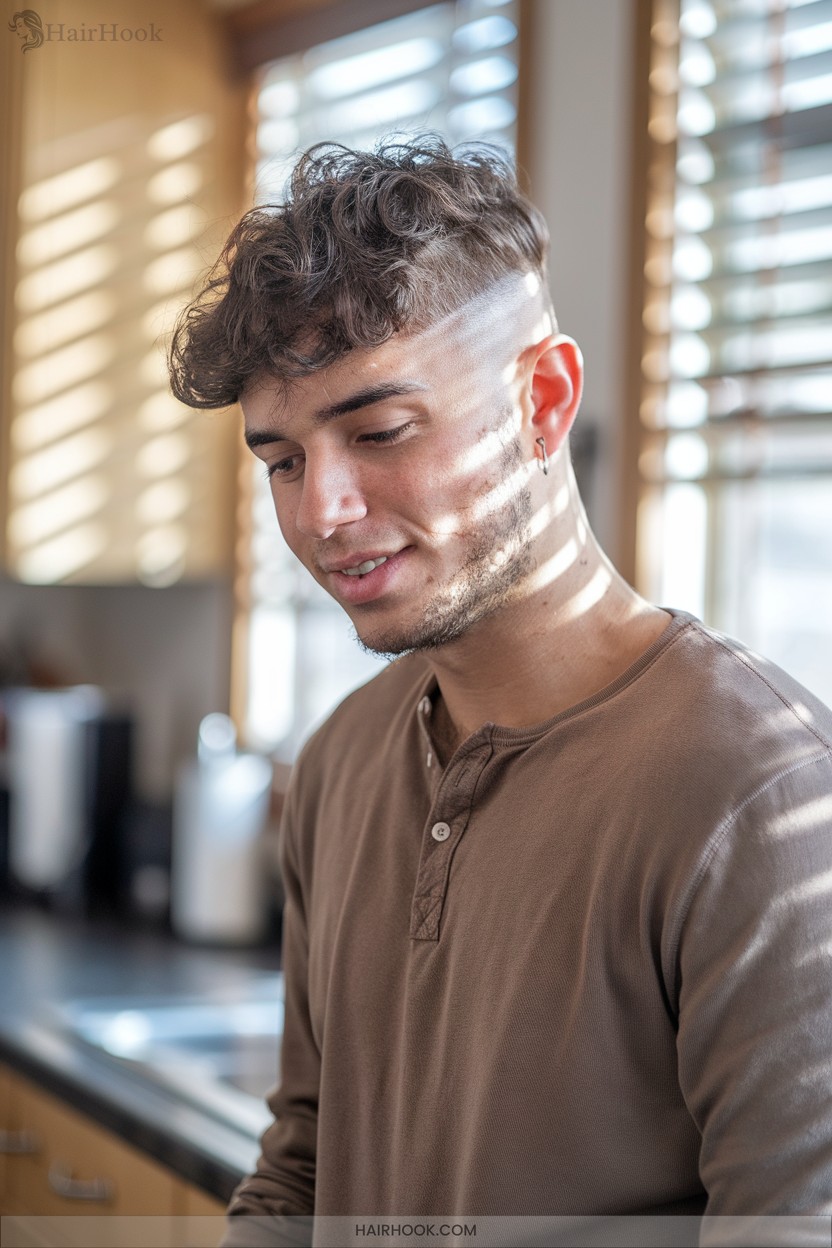
While curly hair presents unique challenges for taper fades, mastering the right preparation and cutting techniques guarantees a sharp, defined result that highlights natural texture.
Begin with a moisturizing regimen, then detangle with a wide-tooth comb to reduce breakage.
Section hair symmetrically before trimming bulk with over-comb and clipper techniques.
Use C-shaped guidelines and precise clipper angles to blend layers seamlessly and enhance curl movement.
Finish with curl creams or activators for definition and hydration.
For a truly innovative look, focus on these essentials:
- Hydrate and detangle before cutting
- Blend layers with C-shaped guidelines
- Use curl-defining styling products
What Are the Best 8. Taper Fade With Side Part Styling?
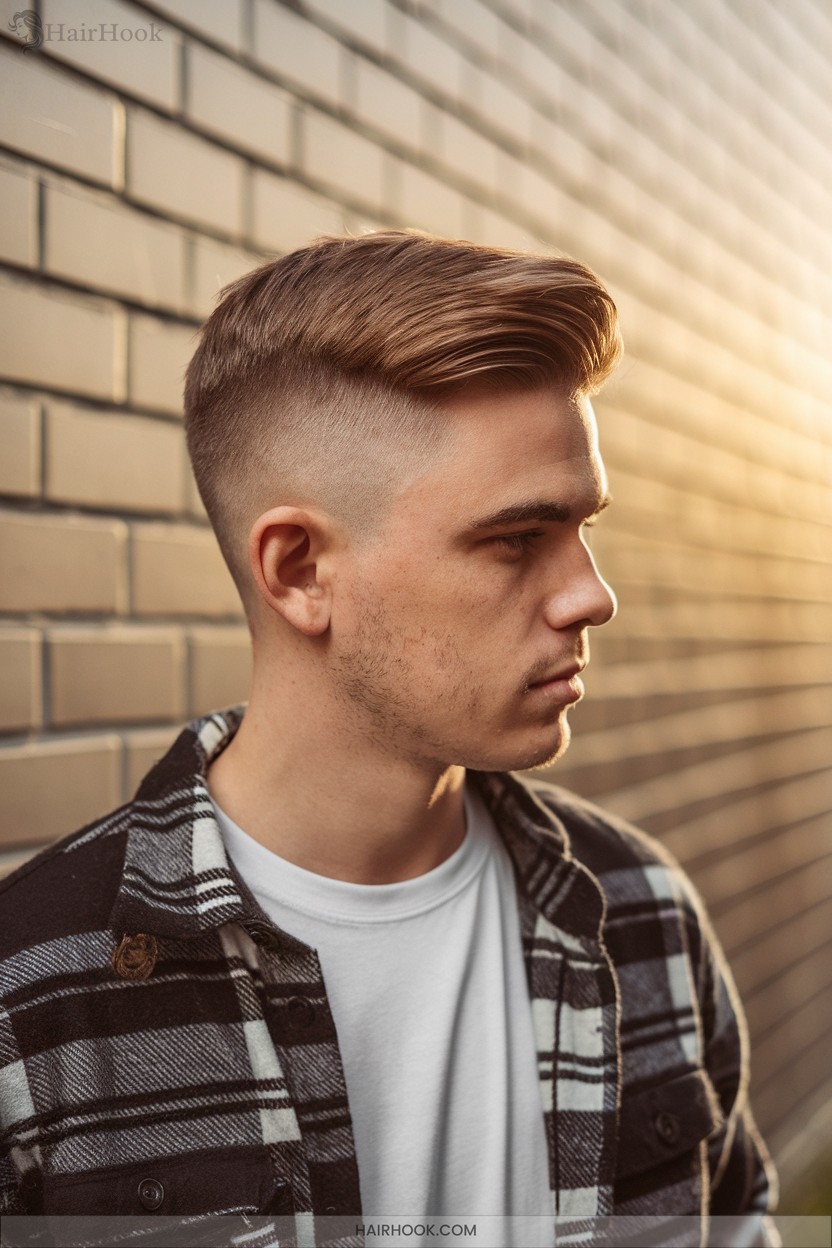
Building on the detailed approach to taper fades for curly hair, mastering a taper fade with a side part demands precision in both cutting and styling.
Start with cordless clippers and employ clipper-over-comb techniques for controlled graduation.
Use T-Outliner trimmers to craft razor-sharp side part lines, continually checking symmetry with mirrors.
Gradually shift guard sizes, applying C-shaped outlining and flick-out blending for seamless fades.
Tailor the part’s placement to natural hairlines and head shape, correcting asymmetry as needed.
Finish with matte pomade or light-hold wax for definition and movement.
Educate clients on maintenance—opt for sulfate-free shampoos and avoid at-home trims.
What Are the Best 9. Skin Fade Taper for a Clean Finish?
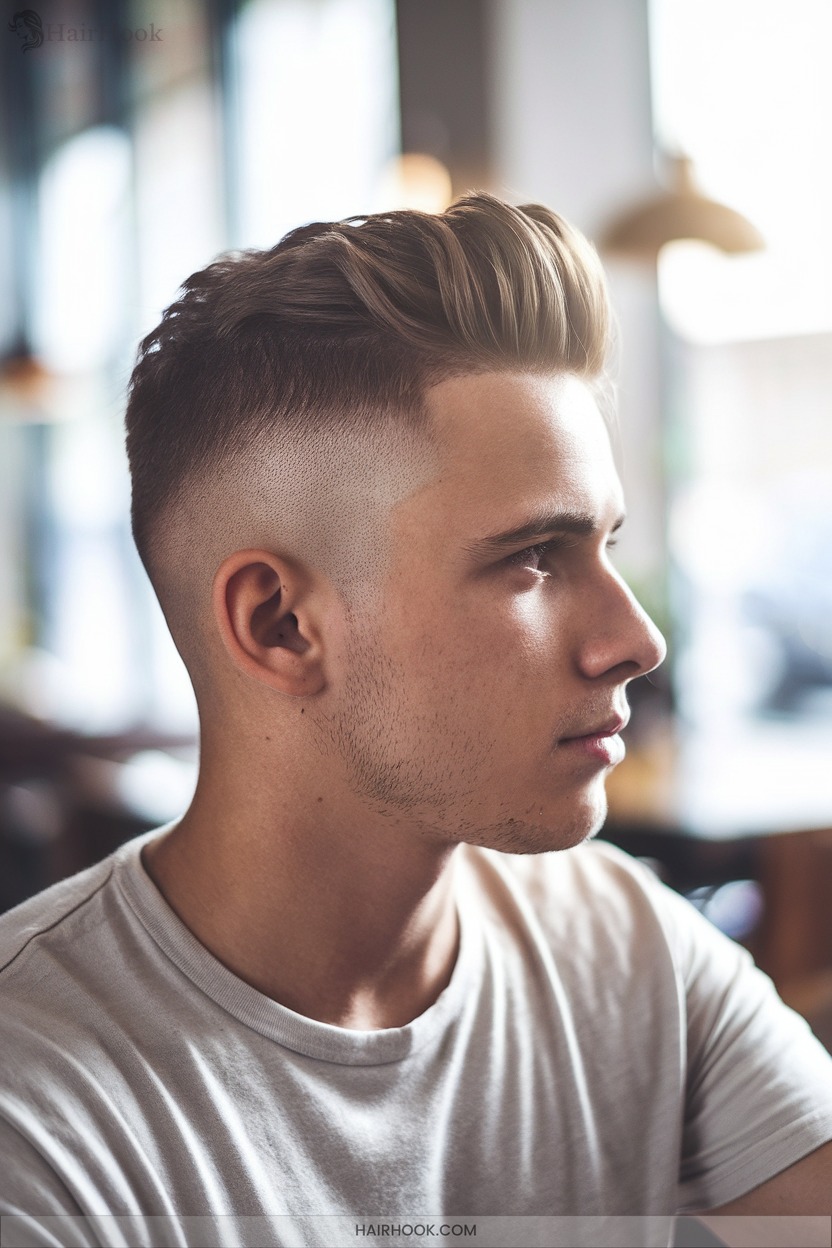
Achieve a crisp, modern look with a skin fade taper by meticulously blending hair down to the scalp for a flawless fade.
Start by establishing your baseline—choose low, mid, or high fade placement.
Use adjustable blade clippers and select guards (#0.5-#2) for seamless gradation.
Always lighten clipper pressure at the fade line to prevent harsh demarcation.
Refine with trimmers or foil shavers for skin-level smoothness.
Maintain sharpness and scalp health with targeted aftercare and styling products.
- Matte pomades deliver texture to longer tops without shine.
- Schedule trims every 3-4 weeks for structural integrity.
- Apply lightweight oils to keep scalp hydrated.
What Are the Best 10. Taper Fade With Striking Scalp Designs?

Artistry meets precision with a taper fade featuring striking scalp designs, allowing you to transform a classic cut into a statement of personal style.
Leverage advanced clipper work, razor etching, and shaver art to create geometric, nature-inspired, or abstract motifs—each tailored to your aesthetic.
Choose a high taper fade for maximum contrast, or opt for mid and low fades to balance subtlety and impact.
For curly or Afro-textured hair, spiral or curved designs add dimension.
Maintain boldness with regular trims and prioritize hygiene throughout the process.
Push boundaries by integrating custom patterns or text, ensuring your haircut stands out.
What Are the Best 11. Color Gradient Taper Fade Creations?

While scalp designs push creative boundaries within taper fades, refining your look further with color gradients elevates both dimension and impact.
Mastering this technique means using gradual blending methods, controlled lever adjustments, and precise 90° angle cutting to create flawless tonal gradations.
Temporary toners and root smudging enhance visual contrast, while flick-out clipper motions erase hard lines.
Always verify symmetry with mirror checks and optimize tool choices for seamless fading.
For the bold, shadow effects and highlight mapping amplify depth and 3D illusion.
- Temporary toners enhance blending visibility and accuracy
- Flick-out motions eliminate demarcation between gradient levels
- Mirror verification guarantees symmetrical gradations
What Are the Best 12. Taper Fade With Horizontal or Vertical Stripes?

A bold evolution in taper fades, incorporating horizontal or vertical stripes transforms the classic blend into a statement of personal style.
Achieve horizontal stripes by expertly etching thin, controlled lines with zero-guard clippers, ensuring balanced spacing for layered dimension.
For vertical stripes, use precision razors or fine trimmers to create symmetrical, elongated effects—ideal for thicker hair and those desiring a striking silhouette.
Gradual blending is essential; select premium tools to maintain clean, uninterrupted shifts between striped and blended zones.
Apply pomade or wax to accentuate definition, and schedule regular touch-ups to preserve sharpness.
Tailor stripe placement for ideal face shape harmony.
What Are the Best 13. Taper Fade Inspired by Tattoo Art?
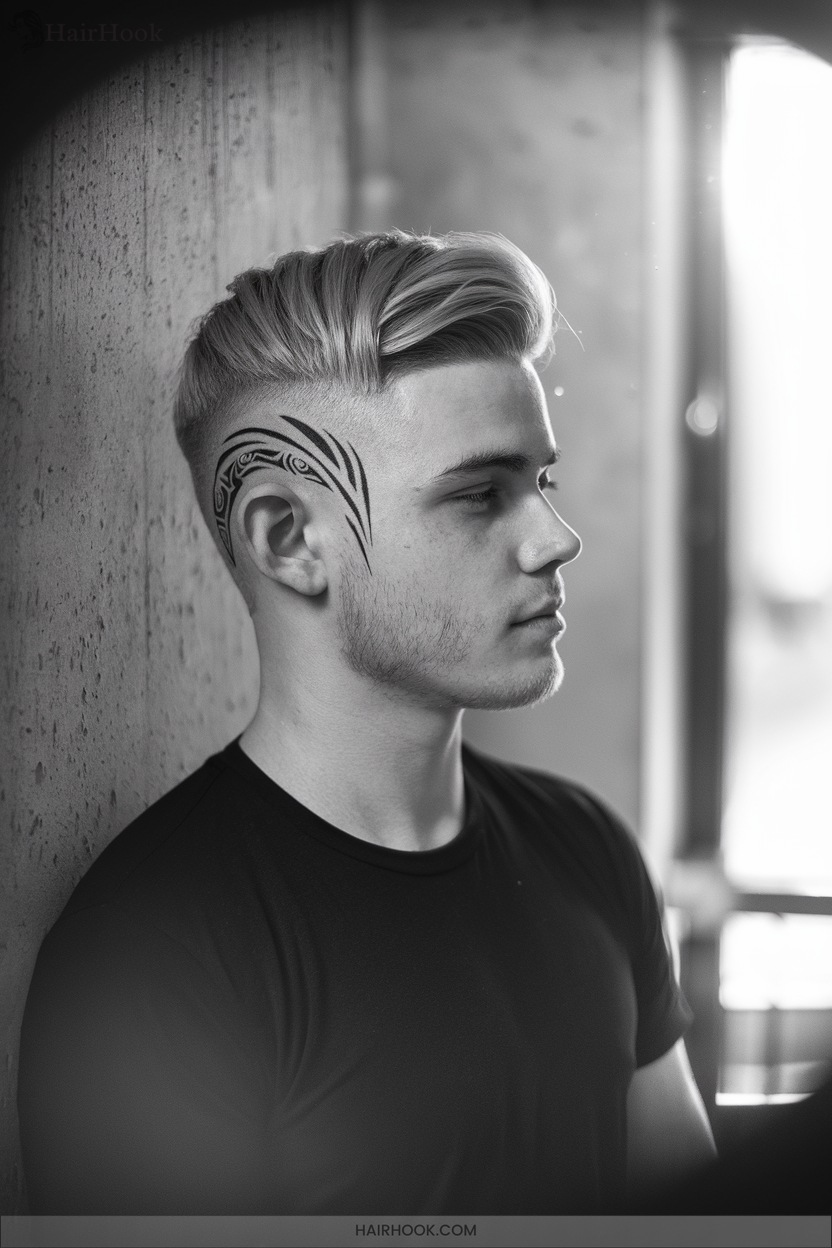
Building on the creative momentum of striped taper fades, you can elevate your haircut by drawing inspiration from tattoo artistry.
Integrate geometric patterns, symbolic motifs, or bold color gradients to mirror the complexity of inked designs.
Precision clipper work enables sharp triangles, zigzags, or tribal influences, while fade gradients and artistic lines enhance visual flow.
Collaborate with a stylist skilled in both hair and tattoo-inspired elements to achieve a seamless, innovative look.
For maximum impact, consider:
- Geometric or tribal motifs etched into the fade
- Bold, tattoo-inspired hair colors or ombre effects
- Intricate linework mimicking classic tattoo artistry
What Are the Best 14. Beard Integration With Taper Fade?
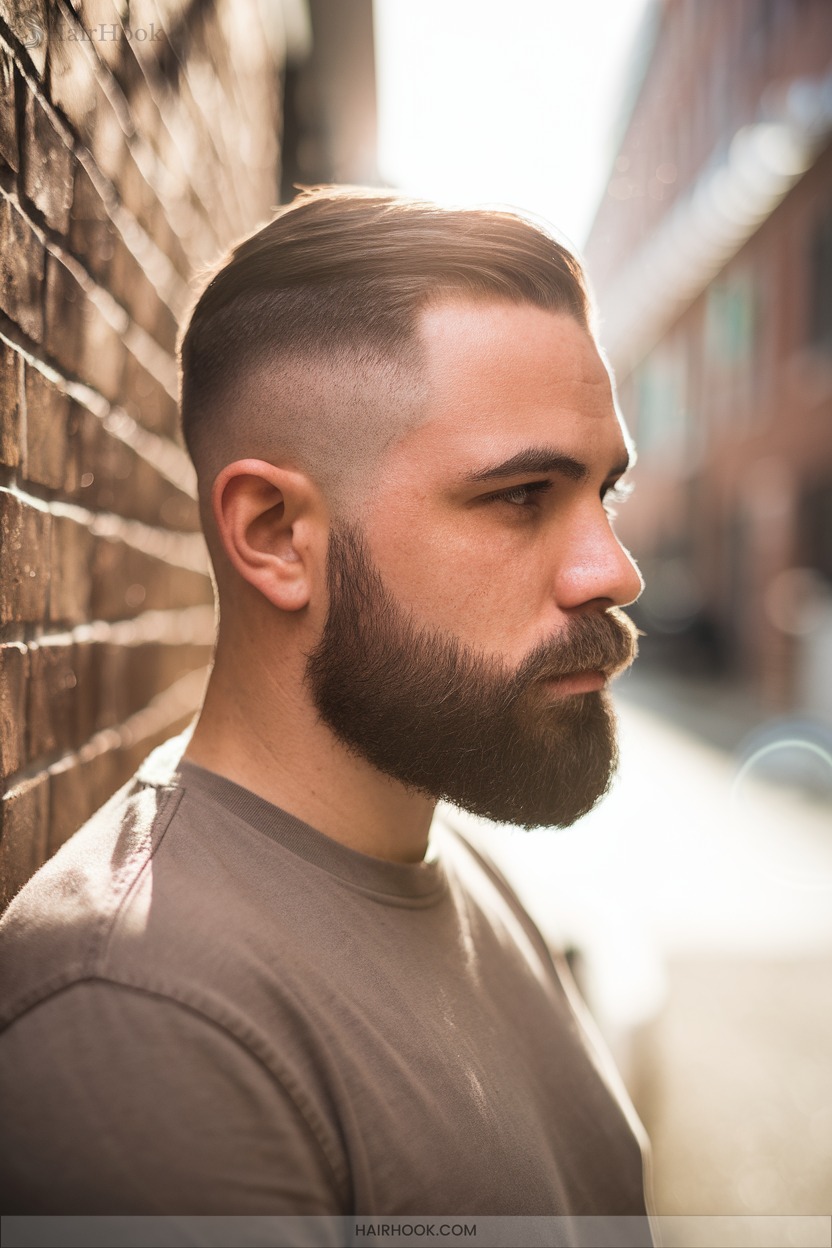
Curious how to achieve a seamless flow between your haircut and facial hair? Mastering beard integration with a taper fade demands precision.
Start your fade at the sideburn, gradually reducing length from the temple to mid-cheek—this blend provides visual cohesion.
Begin your fade at the sideburn and taper gradually down to mid-cheek for a flawless, unified transition between hair and beard.
Sharpen your jawline by abruptly shortening near the ears and neckline.
Use electric trimmers with adjustable guards for precise gradient control, then define cheek lines for sculpted bone structure.
Maintain beard volume above the fade (10–15mm) to balance coverage and highlight the fade.
Finish by applying matte pomade and beard oil for texture, shape retention, and a polished, innovative look.
What Are the Best 15. Taper Fade for Straight Hair Perfection?
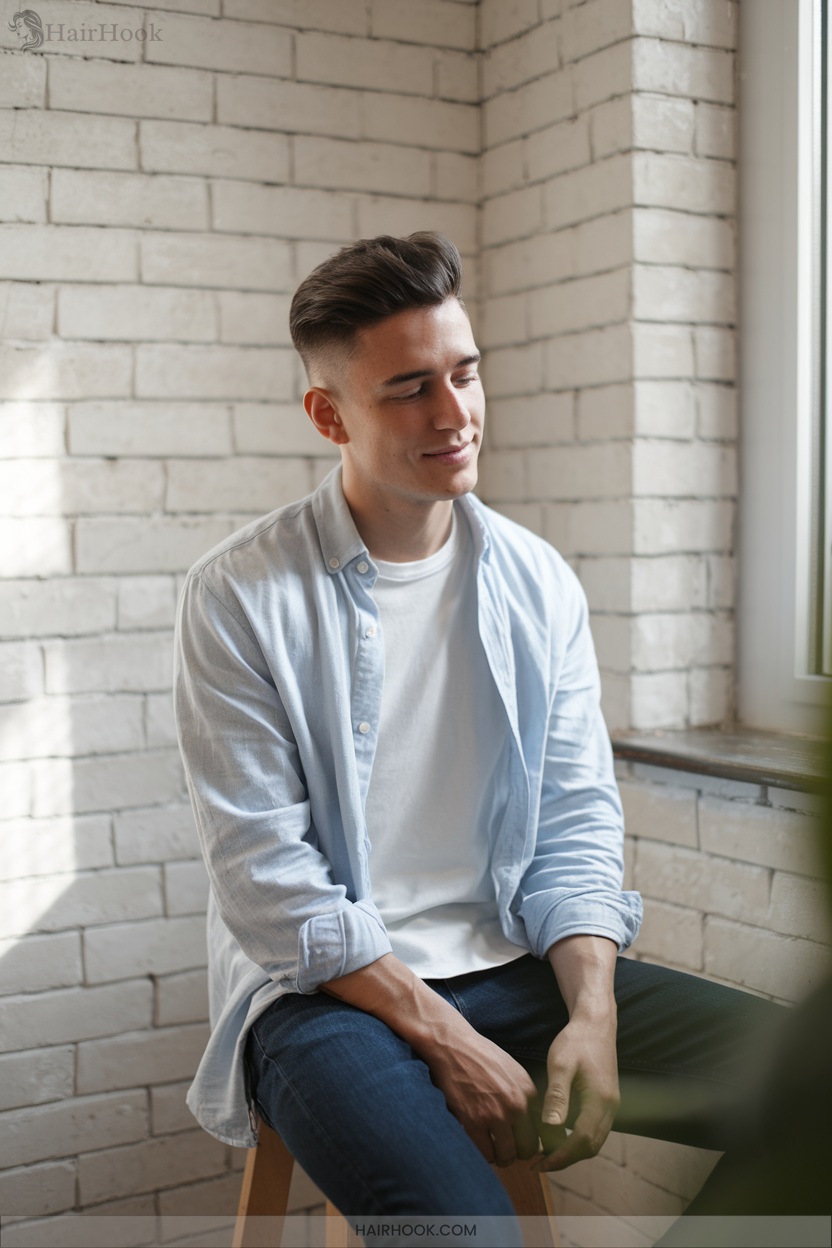
For straight hair, the taper fade delivers unmatched precision and versatility, emphasizing clean contours and modern structure.
Master the closed guard method to establish your baseline, then blend upward with graduated flicking for seamless graduation.
For drama, consider a high taper fade near the crown, or opt for a low taper for sharp neck definition.
Dry cutting guarantees your taper adapts to straight hair’s natural fall, while matte pomades keep separation crisp.
Weekly trims are essential for maintaining sharpness as growth becomes visible quickly.
- Use blending shear over comb to soften edges
- Integrate hard parts for geometric contrast
- Experiment with ombré tapering for dimensional flow
What Are the Best 16. Youthful Taper Fade for Teens and Kids?
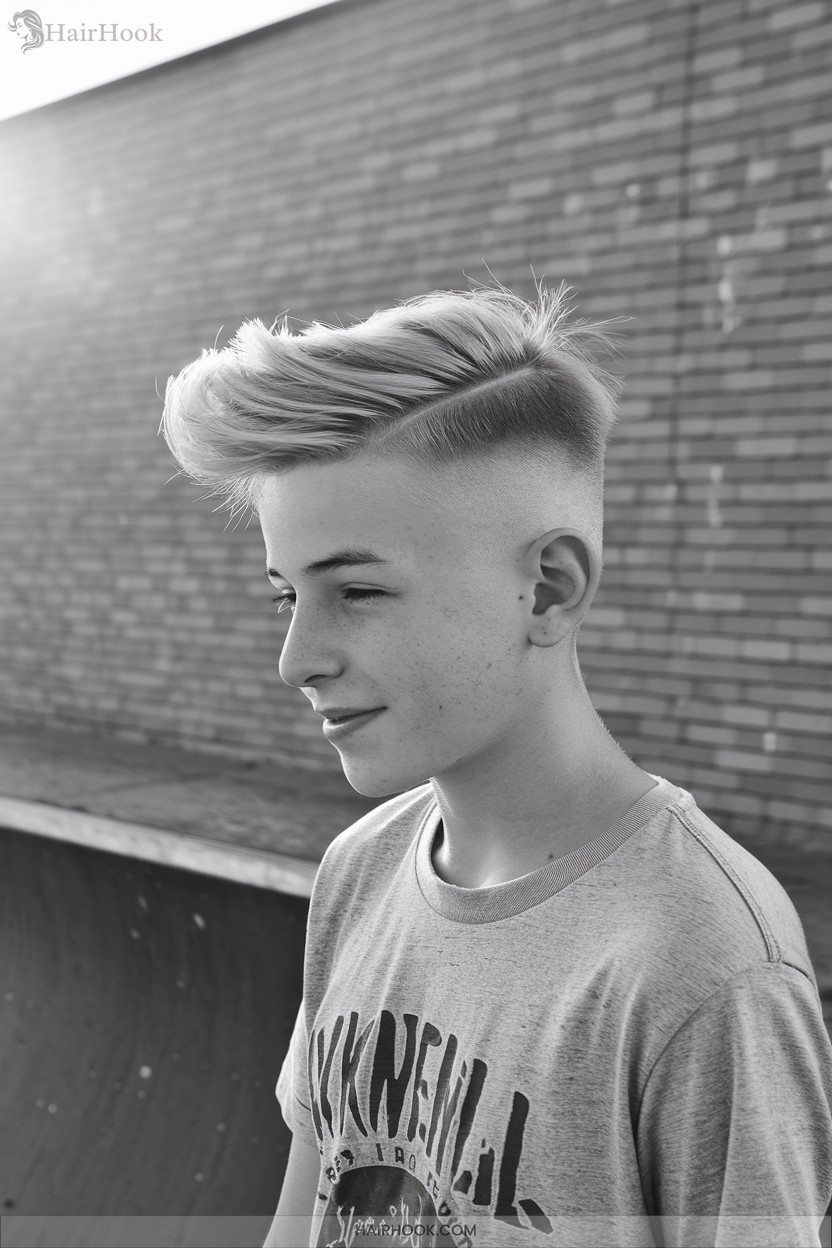
Why settle for ordinary when a youthful taper fade can transform a basic cut into a statement of style and practicality?
Opt for a low or skin taper fade to achieve a clean, modern silhouette—ideal for active teens and kids.
Integrate textured tops, messy quiffs, or mohawk fades for movement and personality, using point-cutting for enhanced layering.
Emphasize shorter lengths and softened, curved lines to maintain a fresh, age-appropriate look.
Apply matte products for durable hold without weighing down the hair.
For customization, specify taper points and top length with your barber, ensuring regular trims to keep the fade crisp.
What Are the Best 17. Taper Fade Looks From Social Media Influencers?
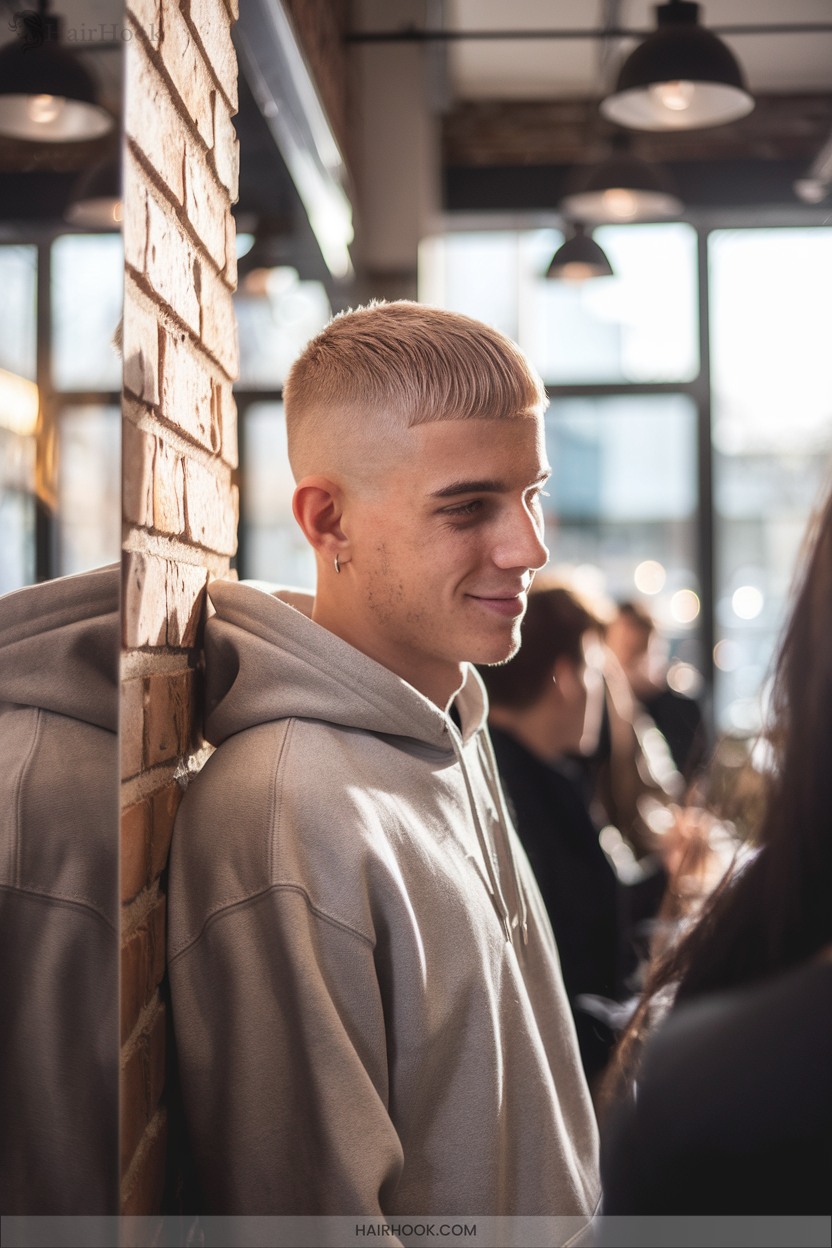
Countless barber influencers now set the pace for taper fade trends, transforming social media feeds into showcases of technical mastery and style innovation.
You’ll notice VicBlends emphasizes natural texture in his fades, while JoshXBarber’s tutorials perfect neckline gradients for curly hair.
Felipe Fades leads with drop fade artistry and cultural representation.
TikTok and Instagram drive adoption of low tapers, using real-time demos and before/after carousels for client inspiration.
If you crave modern, Instagram-ready results, leverage these expert-backed innovations:
- Ultra-clean neckline graduations inspired by celebrity trends
- Temple tapering for precision facial framing
- Beard integration for seamless blends
What Are the Best 18. Fashion Week-Inspired Taper Fade Trends?

Social media’s influence on taper fades sets the stage for the runway’s latest interpretations, where technical rigor meets elevated style.
At NYFW 2025, classic taper fades dominate, blending sharp side parts and low fades for a polished, formal look.
Use medium-hold pomade, lightweight creams, or sea salt spray for reshaping and texture without stiffness.
Channel celebrity icons like Zac Efron with textured tops and blowout volume, adapting the style for straight, wavy, or curly hair.
Prioritize clean lines, matte finishes, and flexible hold.
Weekly trims and sulfate-free care guarantee maintenance, while thoughtful product selection maximizes runway-inspired versatility.
What Are the Best 19. Taper Fade Adaptations for Different Cultures?

A modern taper fade isn’t just a haircut—it’s a canvas for cultural expression, evolving with the traditions and aesthetics of communities worldwide.
You’ll find that every culture brings its own perspective to this versatile cut.
African American taper fades emphasize sharp outlines and precise gradation, symbolizing identity and legacy.
In Mexican and Latino communities, regional adaptations—like the takuache—reflect practicality and pride.
Globally, the style integrates local tastes, from low fades in humid climates to high fades in urban centers.
- Multicultural adaptations showcase technical mastery
- Regional variations elevate style relevance
- Taper fades promote global cultural appreciation
What Are the Best 20. Personalized Taper Fade Ideas for Self-Expression?

How do you transform a classic taper fade into a statement of individuality?
Start by selecting your fade gradient—low, mid, or high—to set the foundation.
Integrate intricate patterns or geometric designs, using precision clippers for customized edging that reflects your personality.
Emphasize texture with layering techniques and texturizing pastes, sculpting movement atop the head.
Color accents—balayage, foil highlights, or vibrant underlayers—create dimension and bold contrast.
Adapt your fade for curly, wavy, or straight hair, optimizing volume and manageability.
Finally, blend the taper fade with styles like faux hawks, or accessorize for a dynamic, self-expressive finish.
What Should You Know About Frequently Asked Questions?
How Often Should I Get a Taper Fade Touched Up?
You should schedule taper fade touch-ups every 2-4 weeks to maintain sharp gradients and clean lines. Adapt frequency based on your hair growth, fade height, and desired precision. Home edging between barber visits optimizes style longevity.
What Products Help Maintain a Fresh Taper Fade?
You’ll want to use pomades or waxes for structured hold, texture sprays for separation, and medium-bristle brushes for product distribution. Incorporate mild shampoos, scalp serums, and dry shampoos to optimize scalp health and maintain fade precision.
Can Taper Fades Cause Scalp Irritation or Dryness?
Don’t let scalp issues throw a wrench in your style. Taper fades can trigger irritation or dryness due to clipper friction, harsh products, or folliculitis. Prioritize tool sterilization, hypoallergenic products, and moisturizing oils for best scalp health.
How Do I Communicate My Desired Taper Fade to My Barber?
You should reference visual aids, specify fade height, indicate top length, and detail any pattern or line work. Use technical terms, discuss your hair texture, and invite your barber’s creative input to achieve a standout, innovative look.
Are Taper Fades Suitable for Thinning or Balding Hair?
You’ll find taper fades excel at camouflaging thinning or balding hair. Maintain density on top for volume illusion, utilize strategic layering, and incorporate texturizing products. You’ll achieve a dynamic, modern look that elevates sparse hair with innovative styling.
What Should You Know About Conclusion?
Ironically, the quest for individuality often leads us down the well-trodden path of the taper fade—yet, isn’t that its genius? With precision blending, textural contrast, and strategic linework, your look becomes anything but ordinary.
So, as you contemplate your next fade, remember: in a world of so-called “unique” styles, it’s technical mastery and personal flair that truly set you apart. After all, nothing says originality like a perfectly executed, classic technique.


